Heewing T2 Cruza VTOL Conversion Kit
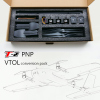
Heewing T2 Cruza VTOL Conversion Pack is an original conversion kit that turns the Heewing T2 Cruza PNP airplane into a VTOL aircraft – a machine with vertical take-off and landing (“vertical take-off and landing”). The airplane does not need a runway. It takes off and lands from a small area and can also hover in place. This eliminates hard belly landings that gradually wear out the fuselage.
The resulting airplane has three motors: two tilting wing-mounted motors and one rear motor on the new tail boom. During take-off and landing, the wing-mounted motors point upwards and the airplane behaves like a multirotor; in forward flight, they tilt horizontally and the wing takes over lift generation. Tilting is handled by two V95 digital servos with a metal case and metal gears, delivering 16.6 kg of torque at 6 V and rotating 60° in 0.10 s. All servo arms are also metal, so the mechanism withstands repeated loads during mode transitions.
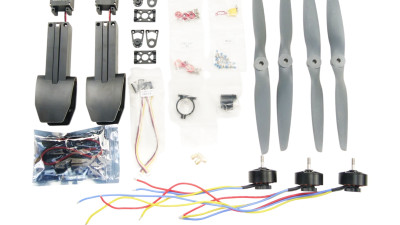
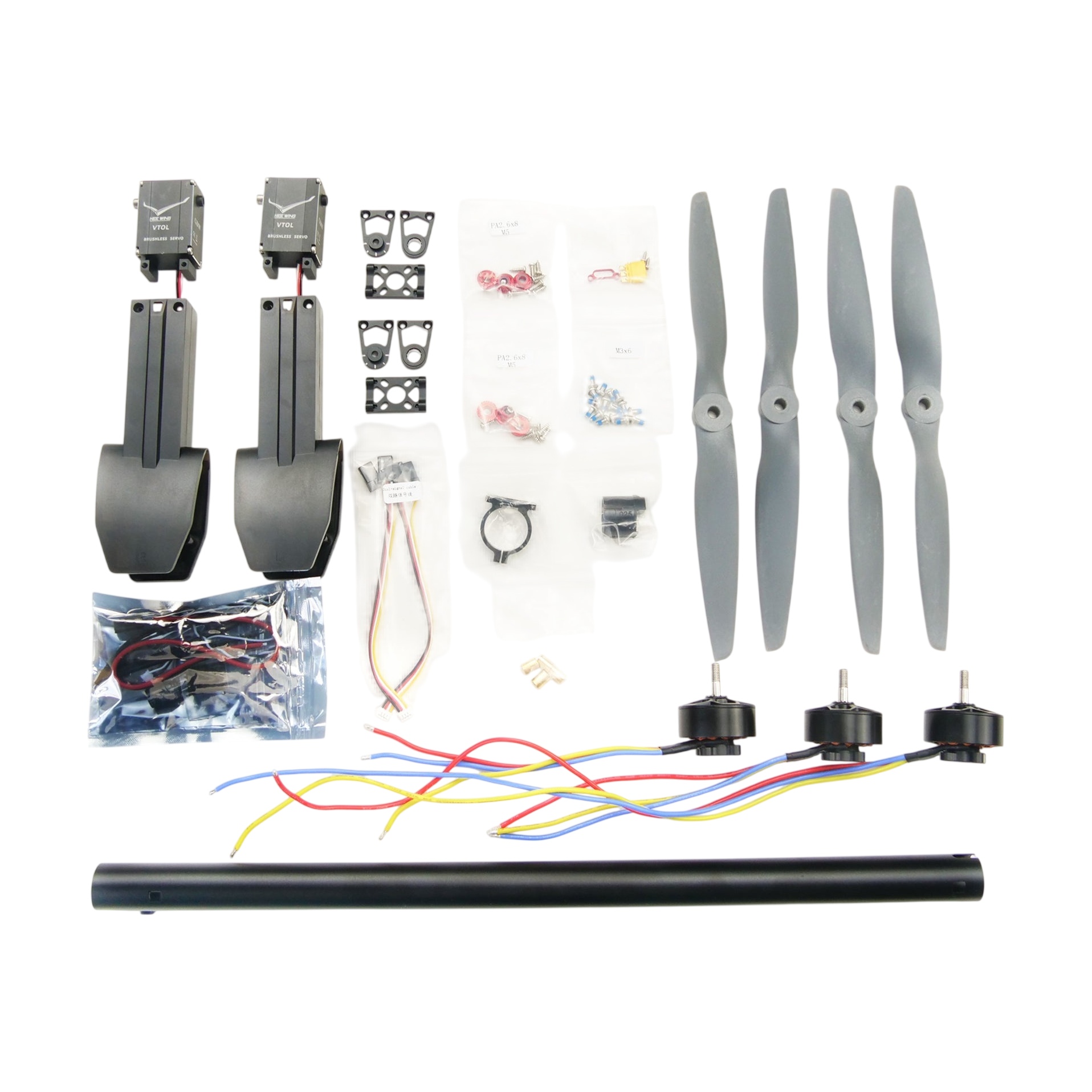
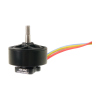
The kit includes three FX-3110-680KV motors (12N14P, 5 mm shaft, operating voltage 7-28 V). With a fiberglass 1060 propeller, one motor delivers up to 2115 g of thrust at 22.2 V and 25.8 A according to the manufacturer’s measurements; at 50% throttle, it delivers 648 g at 4.7 A. The wing motors have 170 mm cables, while the rear motor has a 350 mm cable. A separate FX-25A ESC is included for the rear motor (2-6S, 25 A, BLHeli_S firmware, PWM protocol). The kit also includes a pair of tilting servo mounts (left and right), a VTOL tail boom, a rear motor mount, two sets of FX-1060 fiberglass propellers, and a connector set.
The kit is not a standalone airplane – you need a Heewing T2 Cruza PNP and a flight controller with VTOL support. For the T2 VTOL, the manufacturer recommends ArduPilot and offers the Heewing FX-405 flight controller with preconfigured VTOL parameters (sold separately). An RC receiver, a transmitter with a three-position flight mode switch, and a 6S LiPo battery are also required. We do not recommend combining the 3110 motors with the older 2812-680KV motors from the previous version of the kit. The installation procedure is shown in a YouTube video.
Key Features
- Compatibility: Heewing T2 Cruza PNP
- Type: VTOL conversion kit (3 motors, 2 tilting)
- Motors: 3x FX-3110-680KV (12N14P, 5 mm shaft, 7-28 V)
- Maximum motor thrust: 2115 g (1060 GF propeller, 22.2 V)
- Tilting servos: 2x Heewing V95, metal gears, 16.6 kg at 6 V, 0.10 s/60°
- Servo voltage: 4.8-6 V
- ESC: FX-25A for rear motor (2-6S, 25 A, BLHeli_S)
- Propellers: FX-1060 GF (2 sets)
- Recommended flight controller: with VTOL support, ArduPilot (e.g. Heewing FX-405)
- Recommended batteries: 6S LiPo
Package Includes
- 2x V95 tilting servo (brushless, metal gears)
- 3x FX-3110-680KV motor
- 2x Tilting servo mount (left and right)
- 1x FX-25A ESC
- 1x VTOL tail boom
- 1x Rear motor mount
- 2x FX-1060 GF propeller set
- 1x Connector set
- 1x Screw set
Videos